
The Evolution of AI in Design
Design has always evolved alongside technology. The shift from hand-drawn layouts to desktop publishing, then to digital design software, dramatically increased what designers could produce.
Artificial intelligence has rapidly moved from experimental novelty to a practical tool within modern design workflows. Across industries such as branding, product design, digital interfaces and marketing, AI systems are enabling designers to work faster, explore broader creative possibilities and automate time-consuming processes. Rather than replacing human creativity, AI is increasingly acting as a collaborative tool that enhances experimentation, insight and efficiency.
Machine learning systems can now analyse large datasets, recognise patterns and generate visual outputs based on prompts or training data. Tools powered by AI can assist with everything from layout generation and image creation to colour palette selection and accessibility optimisation.
These capabilities allow designers to move beyond traditional manual processes and focus more on creative strategy, storytelling and problem solving.
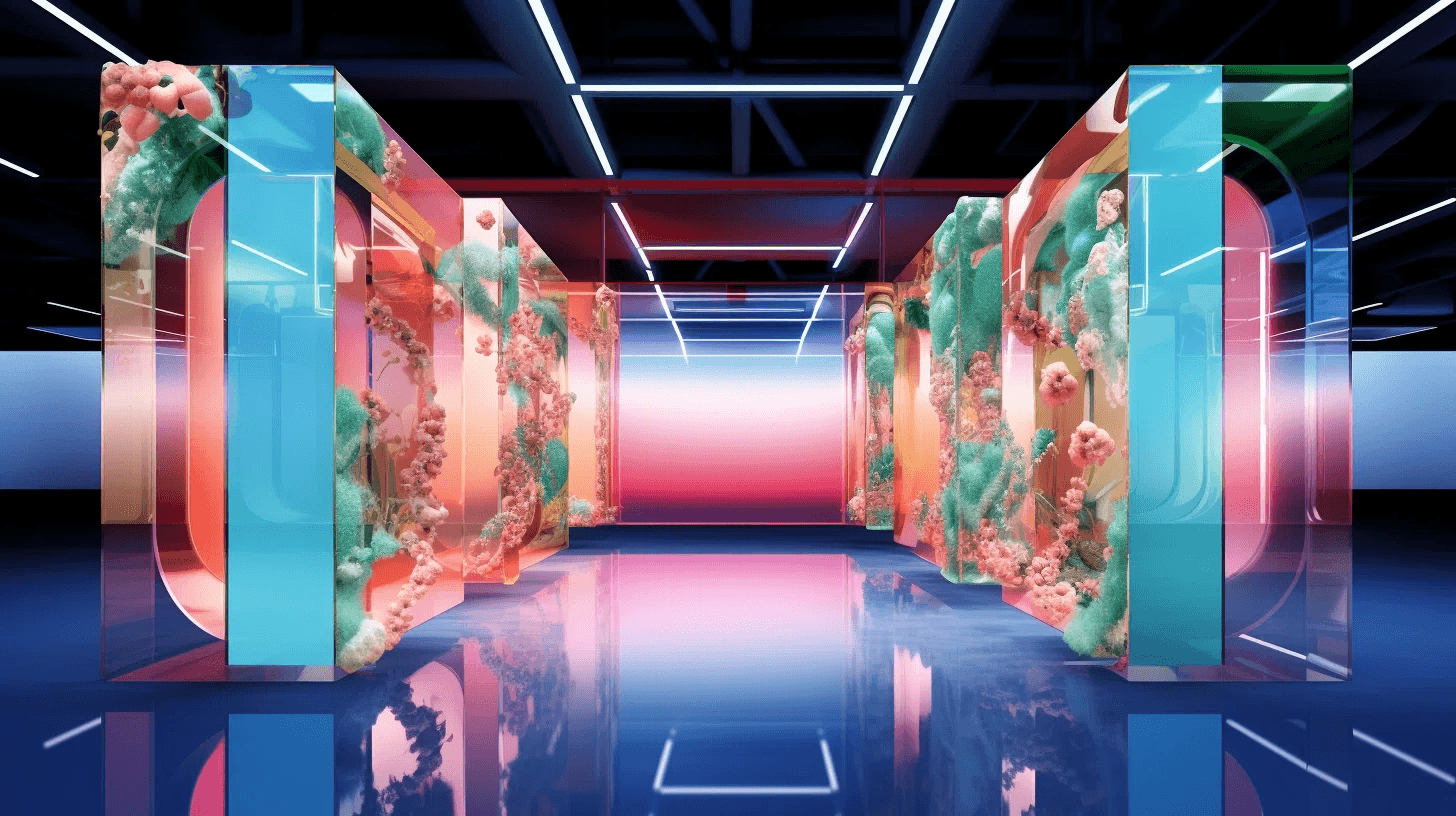
Accelerating Creative Exploration
One of the most powerful uses of AI in design is rapid concept generation system optimised for productivity.
One of the most powerful uses of AI in design is rapid concept generation system optimised for productivity.
For example, AI image generation systems can produce visual styles, compositions or mood boards based on text descriptions. Designers can then refine and develop the most promising concepts.
This approach can help teams:
- Explore a wider range of visual styles
- Quickly test multiple design directions
- Break through creative blocks
- Reduce time spent on repetitive ideation work
Importantly, the designer still plays the critical role of curating, refining and applying judgement to the outputs.

Data-Driven Design Decisions
AI tools can analyse large amounts of user behaviour data and provide insights that inform design decisions.
For instance, AI can evaluate how users interact with websites, applications or digital products. By analysing patterns such as click behaviour, scroll depth and engagement metrics, designers can identify which elements perform well and which need improvement.
This data-driven approach helps teams:
- Explore a wider range of visual styles
- Improve conversion rates
- Identify usability issues earlier
- Design interfaces based on evidence rather than assumptions
As a result, design becomes more closely aligned with measurable outcomes.
Enhancing Efficiency in Production
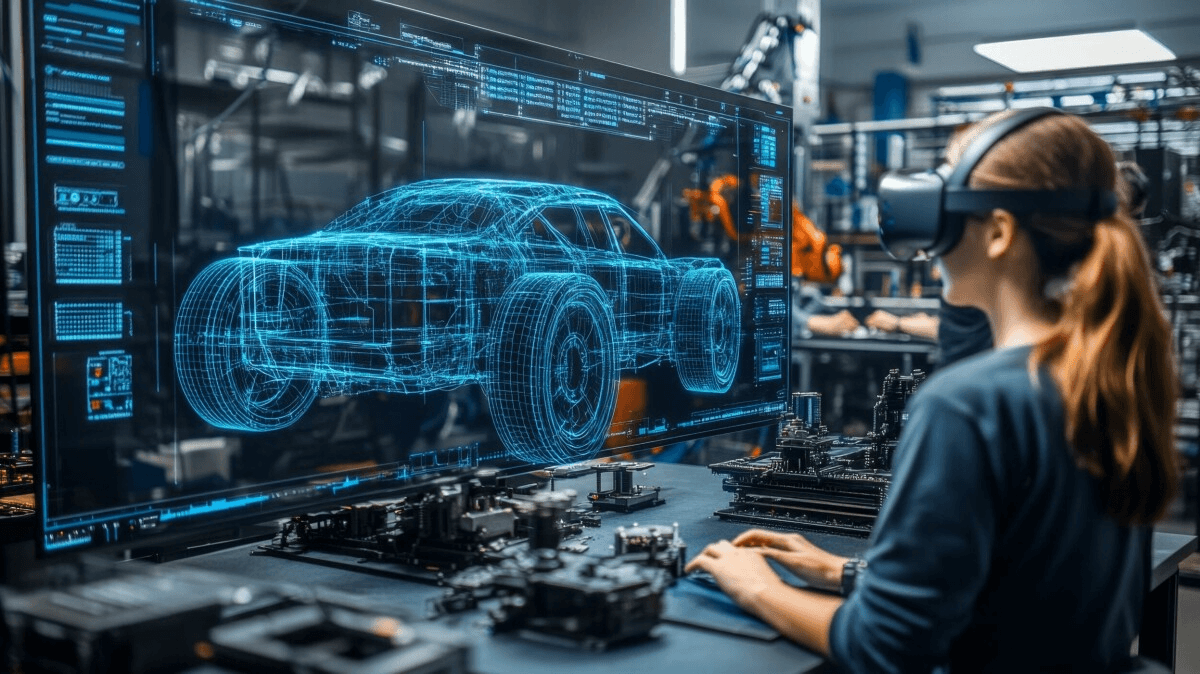
AI is also improving efficiency in the production phase of design projects.
Many repetitive tasks that previously required manual work can now be automated or assisted by AI systems. Examples include:
- Image background removal and enhancement
- Automatic resizing of design assets for different platforms
- Layout suggestions for digital interfaces
- Colour contrast analysis for accessibility compliance
- Automated tagging and organisation of design assets
These capabilities reduce time spent on technical adjustments and allow designers to concentrate on higher value creative work.
Enhancing Efficiency in Production
AI also enables personalised design experiences that would be difficult to create manually.
Machine learning systems can adapt design elements in real time based on user behaviour, preferences or demographic data. For example, websites may display different layouts, product recommendations or visual styles depending on the user. In marketing and e-commerce environments this allows brands to deliver highly targeted experiences while maintaining a consistent design framework.
For designers, this introduces new challenges and opportunities, requiring systems that can adapt dynamically while still maintaining visual coherence.
Accelerating Creative Exploration
AI also enables personalised design experiences that would be difficult to create manually.
Machine learning systems can adapt design elements in real time based on user behaviour, preferences or demographic data. For example, websites may display different layouts, product recommendations or visual styles depending on the user. In marketing and e-commerce environments this allows brands to deliver highly targeted experiences while maintaining a consistent design framework.
For designers, this introduces new challenges and opportunities, requiring systems that can adapt dynamically while still maintaining visual coherence.
Ethical and Creative Considerations
AI models are trained on large datasets, which can introduce questions around copyright, authorship and originality. Designers must remain aware of how AI tools are trained and ensure that outputs are used responsibly.
There is also the risk of over-reliance on AI-generated outputs. While these tools can produce visually appealing results, they do not replace the strategic thinking, cultural understanding and emotional intelligence that human designers bring to a project.
Artificial intelligence is transforming the way designers explore ideas, produce assets and optimise user experiences. By automating repetitive tasks and expanding creative exploration, AI allows designers to focus on strategy, storytelling and innovation.
However, the most successful outcomes occur when AI is treated as a tool rather than a replacement for human creativity. Designers who combine technological capability with strong creative judgement will be best positioned to harness AI for truly innovative design techniques.

.jpg)